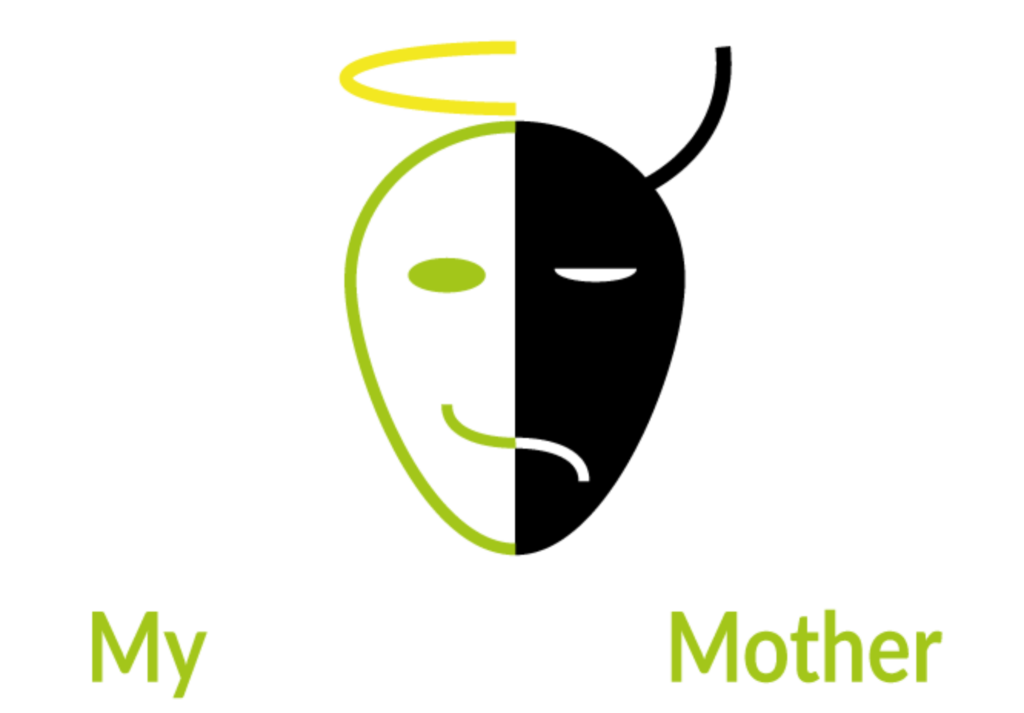
Narcissistic Personality Disorder (NPD)
Traits, Patterns, and Family Impact
Narcissistic Personality Disorder is a complex mental health condition that’s often discussed online in simplified or sensationalized ways. The word narcissist is now frequently used for anyone who behaves selfishly, seeks attention, or causes emotional harm, but that isn’t the same as receiving a clinical diagnosis.
I first learned about narcissistic patterns while trying to understand my own experience of growing up with a toxic, controlling, and emotionally abusive mother. The language helped me connect behaviors that had previously seemed unrelated: conditional love, emotional withdrawal, changing rules, guilt, control, and the feeling that I couldn’t trust my own judgment.
My mother was never formally diagnosed with Narcissistic Personality Disorder. This page doesn’t attempt to diagnose her or anyone else. It explains what NPD is, how narcissistic patterns can appear in family relationships, and why you’re allowed to take harmful behavior seriously even when no diagnosis exists.
What Is Narcissistic Personality Disorder?
Narcissistic Personality Disorder, commonly shortened to NPD, is a recognized mental health condition. It involves a persistent pattern of grandiosity, a strong need for admiration, and difficulties with empathy. The pattern begins by early adulthood, appears across different situations, and can affect relationships, work, and other areas of life.
NPD is more complex than confidence, vanity, selfishness, or an occasional lack of consideration. Many people display individual narcissistic traits at certain times without having a personality disorder.
A diagnosis requires a detailed assessment by a qualified mental health professional. A checklist, online article, social-media post, or family member can’t reliably diagnose another person.
Narcissistic Traits Aren’t the Same as a Diagnosis
It’s important to distinguish between narcissistic traits, harmful behavior, and Narcissistic Personality Disorder.
A person may act entitled, controlling, emotionally immature, manipulative, or deeply hurtful without meeting the clinical criteria for NPD. Another person may have a personality disorder, but only a qualified professional who has assessed them can make that determination.
This distinction doesn’t mean you have to minimize harmful behavior.
You don’t need to prove that another person has NPD before acknowledging that a relationship has damaged your confidence, emotional safety, boundaries, or ability to trust yourself.
Instead of asking only whether someone has NPD, it may be more useful to look at what happens inside the relationship. Can you disagree without punishment? Are your boundaries respected? Can the person accept responsibility? Do promises remain consistent? Are you allowed privacy and independent relationships?
The most useful question may be whether contact leaves you feeling clearer or more confused.
Common Traits Associated With NPD
Narcissistic Personality Disorder can present differently from one person to another. Not everyone with the condition behaves in the same way, and one trait doesn’t establish a diagnosis.
An Exaggerated Sense of Importance
The person may present themselves as unusually important, talented, powerful, successful, or deserving of recognition. They may exaggerate achievements or expect other people to recognize their superiority.
A Strong Need for Admiration
They may depend heavily on praise, attention, status, or reassurance. Criticism, disagreement, or a lack of recognition can feel like a serious personal attack.
A Sense of Entitlement
The person may expect special treatment, immediate cooperation, or access to another person’s time and attention. They may respond badly when those expectations aren’t met.
Difficulty With Empathy
They may struggle to recognize, understand, or respond appropriately to another person’s needs and feelings. This doesn’t necessarily mean that they never understand anyone’s emotions, but empathy may become limited when another person’s experience conflicts with their self-image or wishes.
Exploitative Relationship Patterns
Other people may be treated mainly according to what they provide, such as admiration, status, emotional support, money, obedience, practical help, or access to something the person wants.
Sensitivity to Criticism
Behind apparent confidence, criticism or rejection may trigger shame, defensiveness, anger, withdrawal, blame, or attempts to restore a sense of superiority.
Fantasies of Exceptional Success or Status
The person may become strongly preoccupied with ideas of unlimited success, influence, beauty, intelligence, recognition, or an ideal life that confirms their special position.
Arrogant or Dismissive Behavior
They may speak or behave in ways that belittle other people, dismiss different opinions, or suggest that ordinary rules shouldn’t apply to them.
What Narcissistic Patterns Can Look Like in a Mother
In a parent-child relationship, narcissistic or emotionally controlling patterns may affect how much independence the child is allowed to develop.
A controlling mother may treat the child less as a separate person and more as an extension of her own needs, identity, reputation, or plans. Approval may depend on whether the child behaves, studies, works, dresses, or forms relationships in ways she accepts.
She may treat disagreement as disrespect, use guilt to influence decisions, withdraw warmth as punishment, ignore boundaries, compete with the child’s partner, or react strongly when the child becomes more independent.
Money, gifts, housing, and practical support can also become leverage. Previous agreements may change, and the mother may present a very different public image from the behavior shown in private.
These patterns aren’t proof of Narcissistic Personality Disorder. They can still become emotionally harmful regardless of diagnosis.
The pattern may also include gaslighting, in which conversations, promises, or events are denied or rewritten until the child begins questioning their own memory.
How These Patterns Can Affect a Child
A child depends on a parent for safety, care, attachment, and an understanding of how relationships work. When affection or emotional safety repeatedly depends on obedience, the child may adapt by becoming watchful, useful, quiet, perfectionistic, or highly sensitive to other people’s moods.
Those adaptations can continue into adulthood.
Adult children may struggle with guilt, low self-worth, fear of conflict, people-pleasing, perfectionism, weak boundaries, difficulty making decisions, and distrust of their own memory or judgment.
They may also feel responsible for other people’s emotions or find it difficult to accept care without expecting conditions.
Not every adult child experiences all of these effects, and similar difficulties can have many causes. If anxiety, depression, trauma-related symptoms, or physical health concerns are affecting your life, qualified medical or psychological support may help.
Harmful Behavior Doesn’t Require a Clinical Label
Many adult children become trapped in the question of whether their mother “really is a narcissist.”
They may believe they need a confirmed diagnosis before setting a boundary, sharing less personal information, reducing contact, or admitting that the relationship is harmful.
You don’t need that certainty.
A boundary responds to behavior and impact, not to a clinical label.
You can describe how someone speaks to you, how private information is used, whether support comes with changing conditions, and how contact affects your fear, guilt, or self-trust.
Those statements describe your experience. They don’t require you to claim knowledge of another person’s diagnosis or private motives.
Can Narcissistic Personality Disorder Be Treated?
NPD isn’t a simple or hopeless condition. Psychotherapy is the main form of treatment and may focus on relationships, emotional regulation, self-esteem, responsibility, and more realistic ways of understanding oneself and other people.
Medication doesn’t specifically treat NPD, although it may sometimes be used for other mental health conditions that occur alongside it, such as anxiety or depression.
Change depends on the individual’s willingness and ability to participate honestly in treatment over time. Another family member can’t force that process or complete it for them.
Understanding that treatment may be possible doesn’t mean you have to remain exposed to harmful behavior while waiting for someone to change.
Protecting Yourself Without Diagnosing Your Mother
The safest response depends on your situation.
Some people remain in contact and use clearer boundaries. Others reduce how often they communicate, limit the information they share, communicate only in writing, take a temporary break, or choose no contact.
No contact was necessary for me. It isn’t the only valid decision, and it may not be safe or possible for everyone.
If you still depend on your mother for housing, finances, health care, education, childcare, immigration matters, or another essential need, careful preparation may be more important than confrontation.
Possible first steps include noticing which interactions repeatedly cause fear or confusion, securing important documents, building support outside the relationship, sharing less information that has previously been used against you, and seeking appropriate professional advice.
You don’t have to make a permanent decision today.
The goal isn’t to prove what another person is. It’s to understand what happens to you in the relationship and what may help you become safer, clearer, and more independent.
A Personal Note
Learning about narcissistic patterns changed my understanding of my own life.
It helped me connect childhood fear with adult guilt, work anxiety, difficulty making decisions, and the belief that I was responsible for my mother’s reactions. It also helped me understand why becoming independent created so much conflict.
The label didn’t answer every question, and it didn’t give me the right to diagnose my mother.
What it gave me was language.
Once I could name emotional control, conditional love, gaslighting, isolation, and learned guilt, I could stop treating every reaction as proof that something was wrong with me.
That recognition eventually became the foundation of Leaving Hell, my memoir and practical recovery guide for adult children of controlling, emotionally abusive, or narcissistic mothers.
Frequently Asked Questions
How Do I Know Whether My Mother Has NPD?
You can’t reliably diagnose your mother through an online checklist or article. NPD requires assessment by a qualified mental health professional. You can, however, identify repeated behavior and examine how the relationship affects you.
Is Every Controlling Mother a Narcissist?
No. Controlling, selfish, emotionally immature, manipulative, or abusive behavior can occur without Narcissistic Personality Disorder. The behavior may still be harmful and may still justify boundaries.
Can Someone Have Narcissistic Traits Without NPD?
Yes. Individual narcissistic traits can exist without forming the persistent and impairing pattern required for a personality-disorder diagnosis.
Does a Lack of Diagnosis Mean the Abuse Wasn’t Real?
No. Emotional abuse and controlling behavior are defined by what happens within the relationship, not by whether the person responsible has received a particular diagnosis.
Do I Have to Go No Contact With a Narcissistic Mother?
No. Contact decisions depend on safety, dependence, the severity of the behavior, your available support, and your own circumstances. Options may include boundaries, structured contact, low contact, a temporary break, or no contact.
Can a Person With NPD Change?
Change may be possible through sustained psychotherapy and genuine participation, but it can’t be guaranteed or forced by a family member. You’re still allowed to protect yourself while another person decides whether to seek help.
Learn More in Leaving Hell
Leaving Hell: Escaping the Toxic Chains of a Narcissistic Mother combines my personal story with practical guidance on emotional control, gaslighting, learned guilt, boundaries, contact options, grief, and rebuilding self-trust.
The PDF eBook includes 23 chapters and a 77-page guided workbook.